
Real Estate Investing & Historic Tax Credits

As America’s population and metropolitan areas continue to grow, one of the challenges being faced is what to do with old places that have historical significance. Like George Bailey, you seemingly can’t throw a rock without hitting a historic property. Particularly here in Jefferson County, West Virginia (and the surrounding states). Do we modify them into something new? Or should we try to restore them, finding a way for shapes and styles to continue contributing to the American tale?
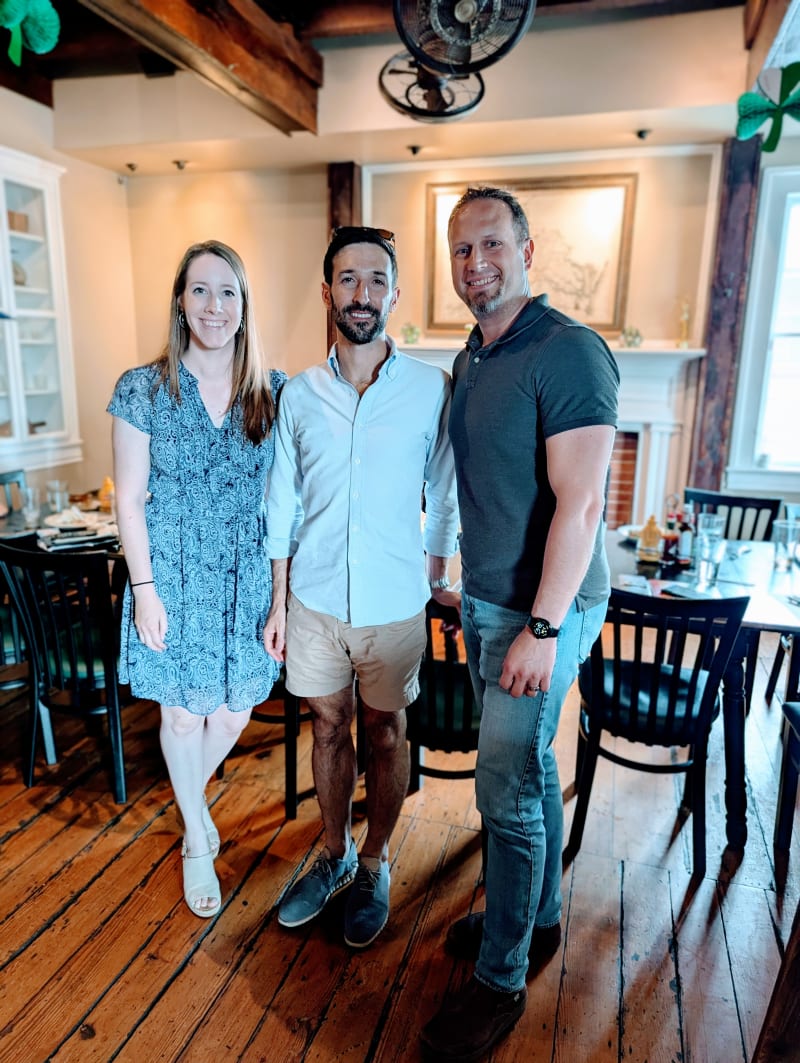
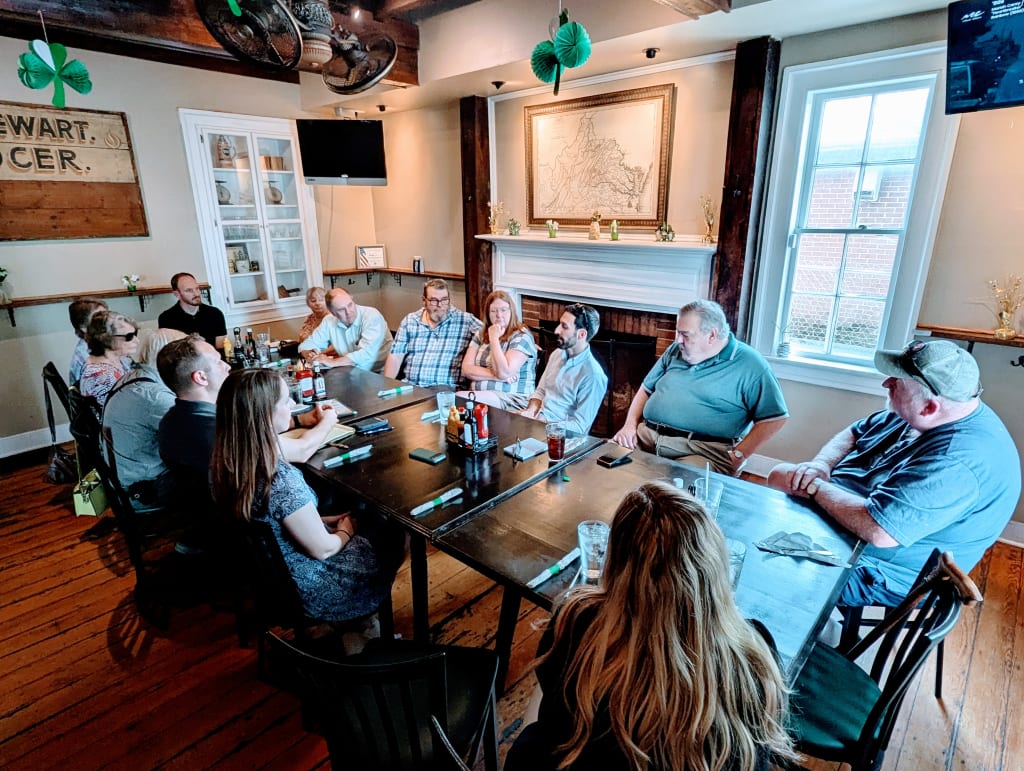
In the last quarter of 2025, the Beall Team was pleased to host Mark Letenzi at the Charles Town Investors lunch. Mark is owner of Mitchell Park Companies, which specializes in restoring historic properties that might otherwise be passed over because of slim or negative margins. Mark is able to do this thanks to leveraging historical tax credits.
Never heard these before? Basically, if a project qualifies, you can get tax credits from the federal and/or state government, which can then be applied to your tax burden over a period of time. If you have surplus credits you can’t use, in some situations, you can actually monetize them. You can find more information from the National Parks Service here. Thanks to this program, some restoration projects which otherwise would only have extremely slim, or negative margins, are possible.
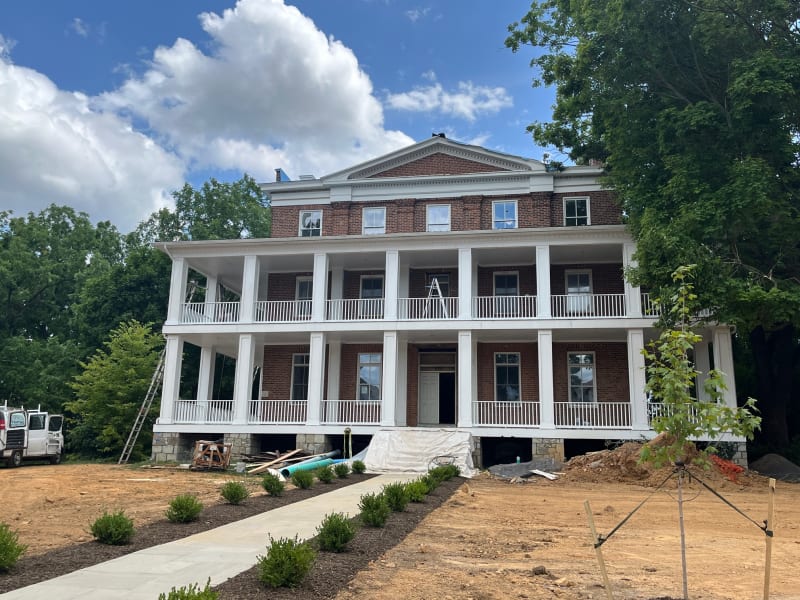
Mark’s company recently completed an incredible renovation of The Stephenson Building at 515 E Washington St, Charles Town, breathing fresh life into a historic property that had been vacant for over fifteen years. Today it again contributes to the historic Charles Town “main street,” and provides housing to area residents. (Here is an article about the grand re-opening.)
At our investor lunch, we chatted with Mark about this special project and others he has done. Particular emphasis was placed on using historical tax credits for these projects. In no specific order, here are some of our notes from that meeting
-
If you own a downtown historic property, it is probably contributing to the downtown historic district and could be eligible for historic tax credits. If the property is way out in the country, you might need to first register it on the historic register (which takes some time and money).
-
To see if the property is a historic property for tax credits, look on the National Parks website or email the state preservation office to ask.
-
You need renovation plans to submit to the state historic preservation office. They will review and give feedback and approval, and then you get the state tax credit. The application process is very technical, so if it's a big project, you will probably need to hire an "architect historian" to help. However, that will cost money. So if it's a small $50k-$70k reno project, then you might be better off trying yourself. Note that you can put your holding costs and the costs of the architect fees as part of your costs to get the credit for.
-
Pro Tip: Do a long due diligence period while under contract to work on verifying the historical standing of the property, performing environmental and structural engineer reviews, and of course, putting together the specific architectural renovation plans. That once you've purchased the property, you can start work on day one. This will help lower holding costs.
-
Heads Up: You must own the property for five years. So this is a long game.
-
For the WV state tax credit, you receive the credit when you both get the Certificate of Use and Occupancy and receive final approval from the state historic preservation office. The federal credit is spread out evenly over five years.
-
You don't have to be able to use all of the tax credits you get--you can sell it to banks or individuals, who will use that to help offset their taxes.
-
Pro Tip: Shop around for state and local grants (not just tax credits) specifically targeting historical preservation, renovation, or reconstruction.
-
If the property is in downtown Charles Town, try applying for their Facade Grant!
-
West Virginia also has Historic Preservation Grants. For example, matching grants for roofs or windows. Funding might vary from year to year.
-
In Virginia, you can sometimes do a tax freeze which will extend the previous assessment into the future.
-
In Maryland, there are multiple grants and loans for historic properties.
-
Mark’s advice after doing this for many years: if you are looking to tackle a historic property, meet with the city right away in order to gauge support. Everything will go better if you have local support among the neighbors, local population, and local government. Also, don't allow the ghost hunters into your property! Ever!
 It’s always exciting when government programs and enterprising Americans can cooperatively preserve pieces of our history while still putting them to good use. We’re all about win-win scenarios. Whether you’re shopping for a home with history, thinking about selling one, or as an investor, seeking a more meaningful investment project, we’re here to help. Contact the Beall Team and let’s get you started on your next adventure!